
Five-day hands-on training on biopesticide quality testing held at ICAR-CRRI 
A five-day training programme on “Quality Testing of Biopesticides,” sponsored by the Department of Agriculture and Farmers’ Empowerment, Government of Odisha, was successfully conducted at ICAR–Central Rice Research Institute (CRRI), Cuttack from March 9 to 13, 2026. The programme aimed at strengthening the technical skills of agriculture officers through hands-on training in quality evaluation of fungal, bacterial, and viral biopesticides.
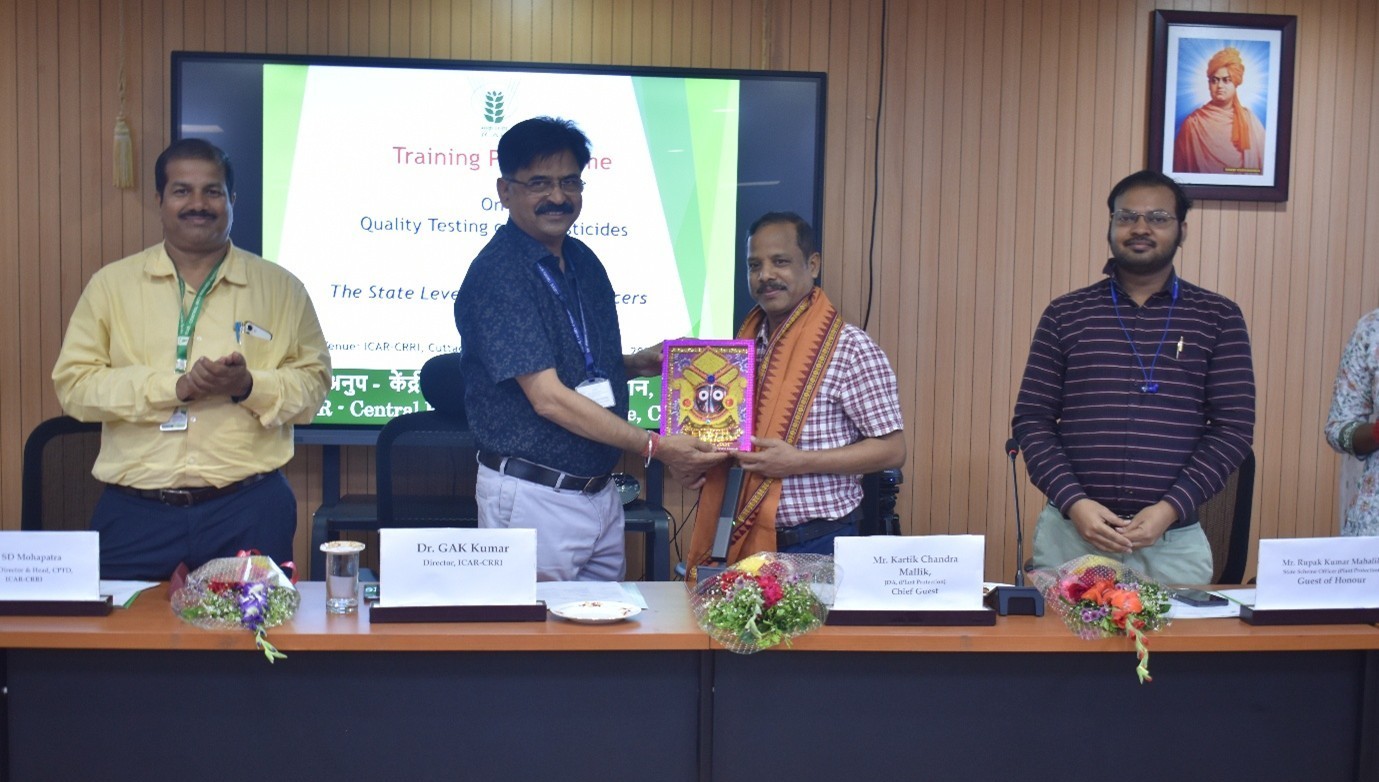
The inaugural session was graced by Mr. Kartik Chandra Mallick, Joint Director (Plant Protection), as Chief Guest, and Mr. Rupak Kumar Mahalik, Scheme Officer (Plant Protection), as Guest of Honour. Dr. G. A. K. Kumar, Director, ICAR-CRRI, chaired the session and emphasized the critical role of quality biopesticides in promoting sustainable and organic-based agriculture.
Addressing the participants, Mr. Mallick encouraged active engagement in practical sessions to build technical expertise, while Mr. Mahalik highlighted the state’s initiatives to strengthen biopesticide quality control infrastructure. Dr. S. D. Mohapatra, Course Director and Head of the Crop Protection Division outlined the objectives of the training and stressed adherence to CIBRC guidelines in quality assessment. Earlier, Dr. Raghu S., Course Convener, welcomed the participants, and Dr. Keerthana U., Co-convener, proposed the vote of thanks.
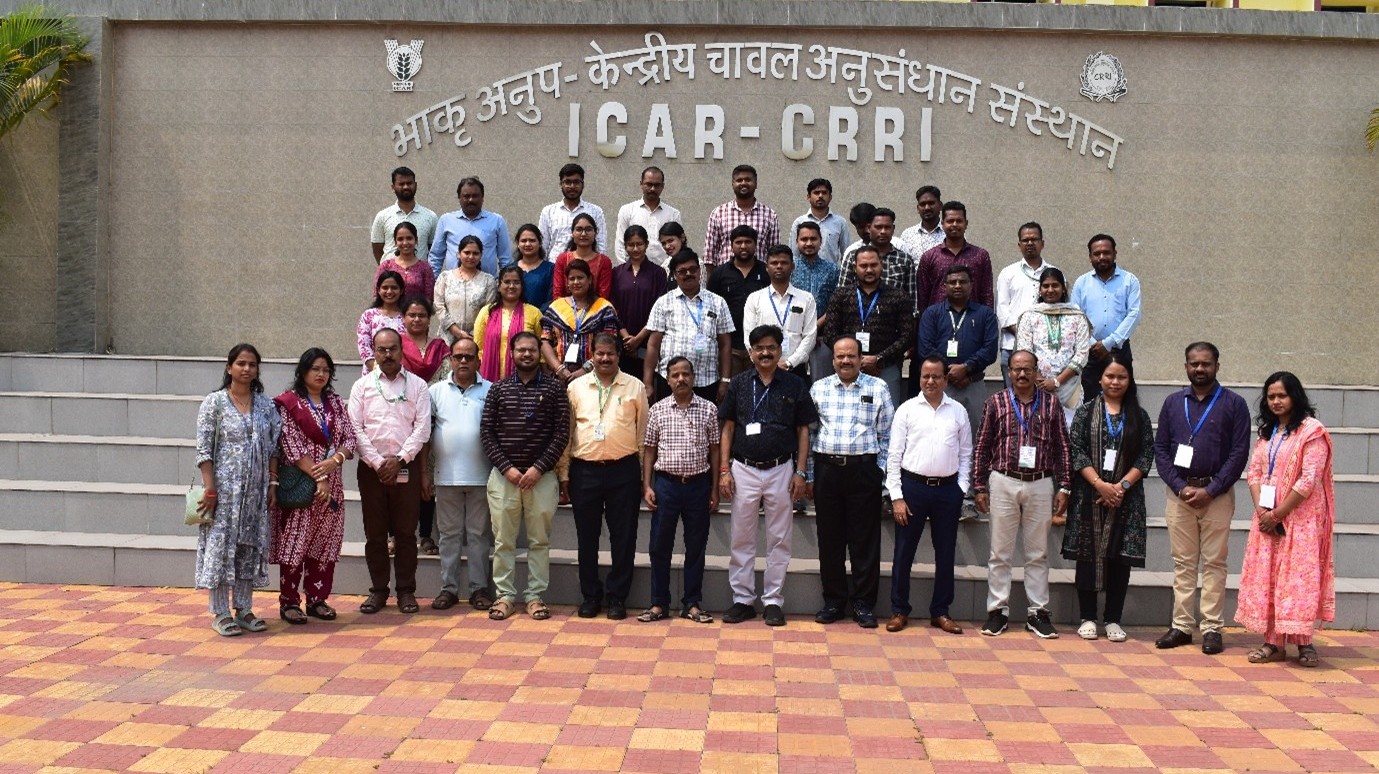
A total of 10 officials and 5 students including Agricultural Officers (AO), Assistant Agricultural Officers (AAO), and Village Agricultural Workers (VAW), deputed by the Directorate of Agriculture and Food Production, Odisha, participated in the programme. The trainees represented various regions including Chhatrapur, Rangeilunda, Berhampur, Kaptipada, Jamba, and Dhanghera across Ganjam and Mayurbhanj districts.
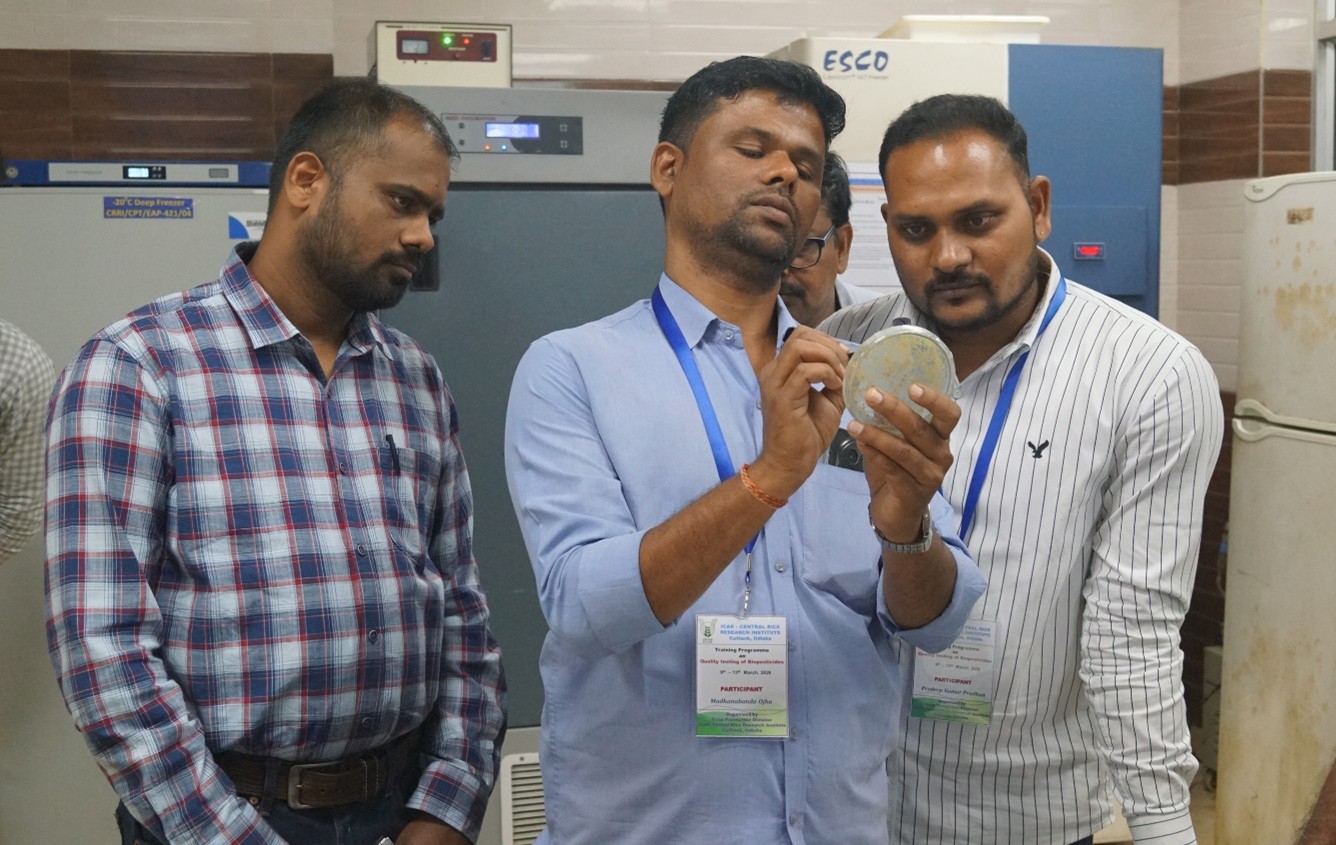
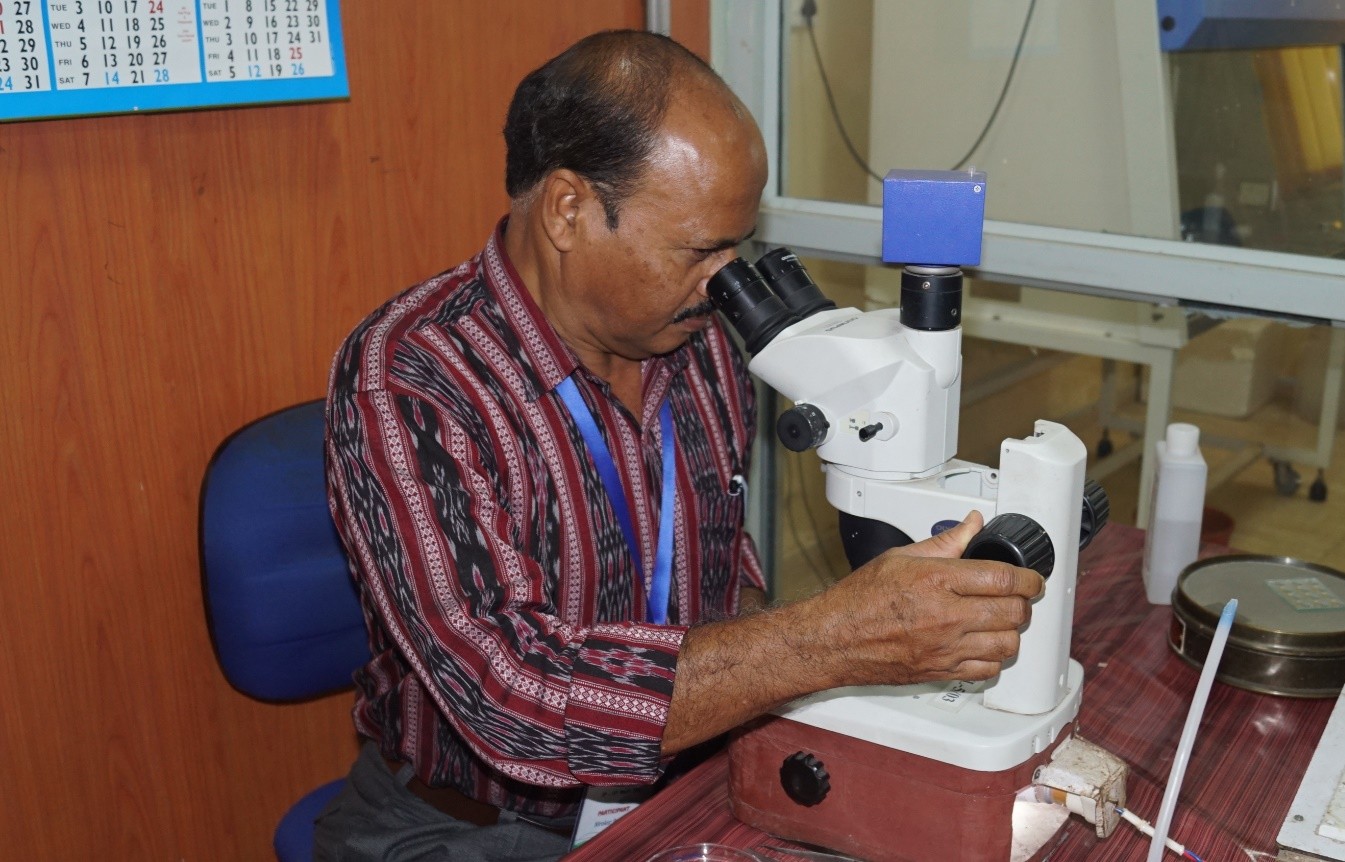
The training comprised both theoretical and practical sessions, covering key aspects such as preparation of culture media, serial dilution, CFU estimation, contamination detection, microbial viability testing, spore counting, and regulatory standards for biopesticide production and commercialization. The hands-on laboratory exposure enabled participants to gain practical insights into quality testing procedures.
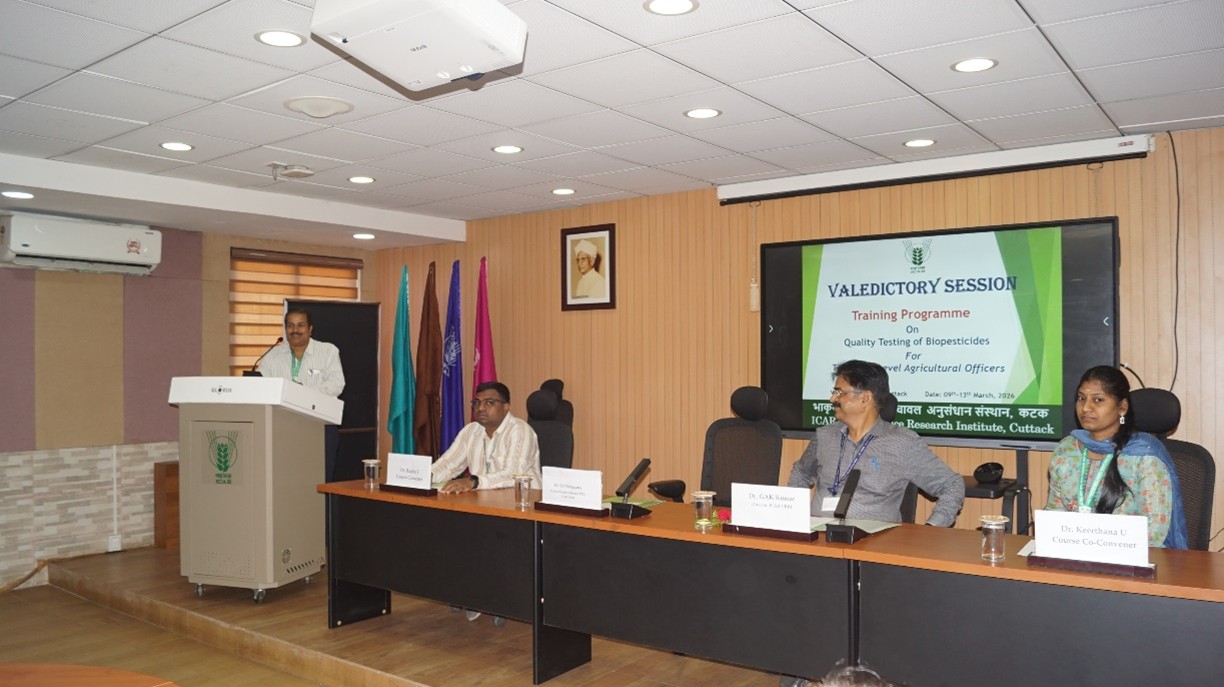
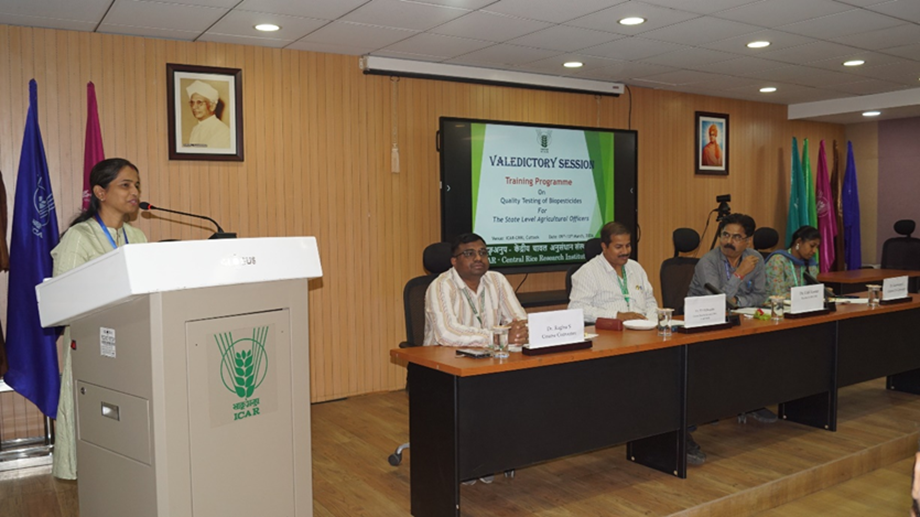
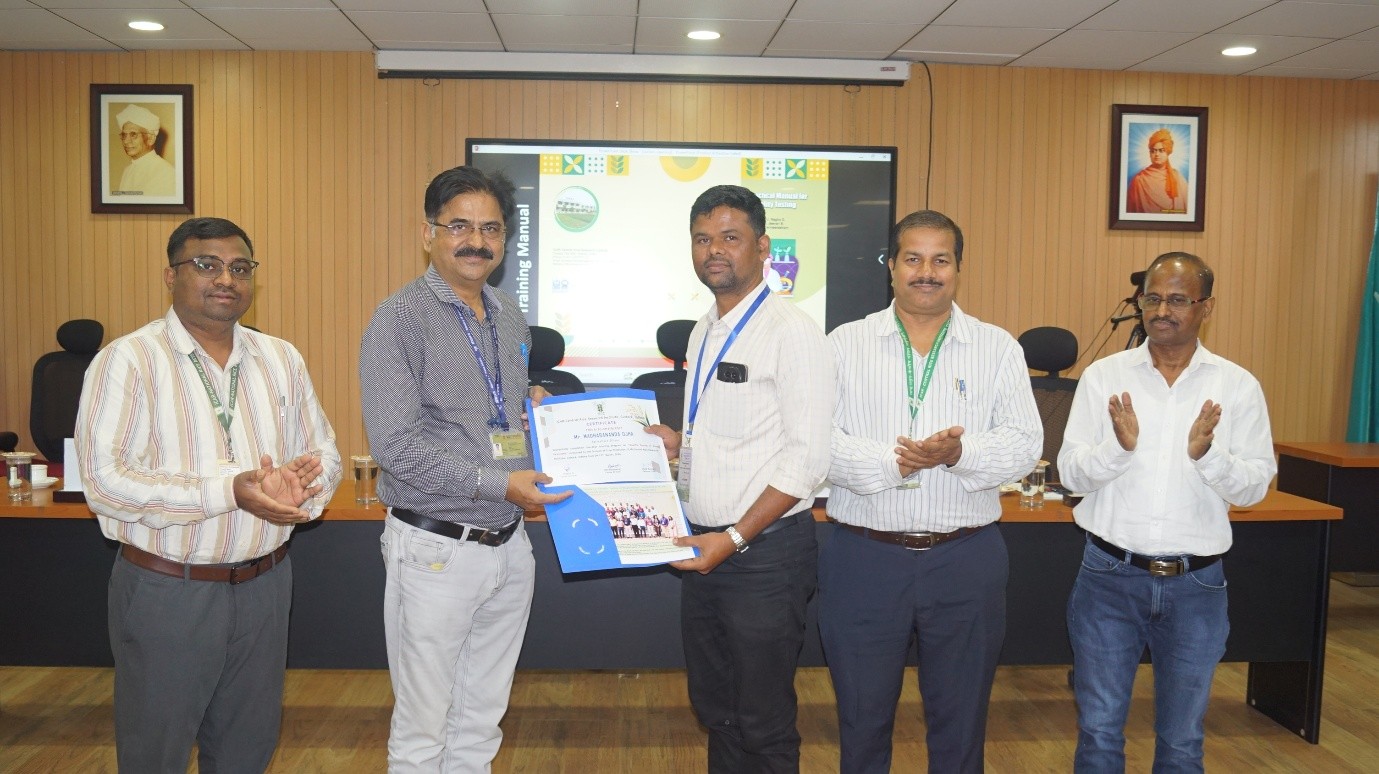
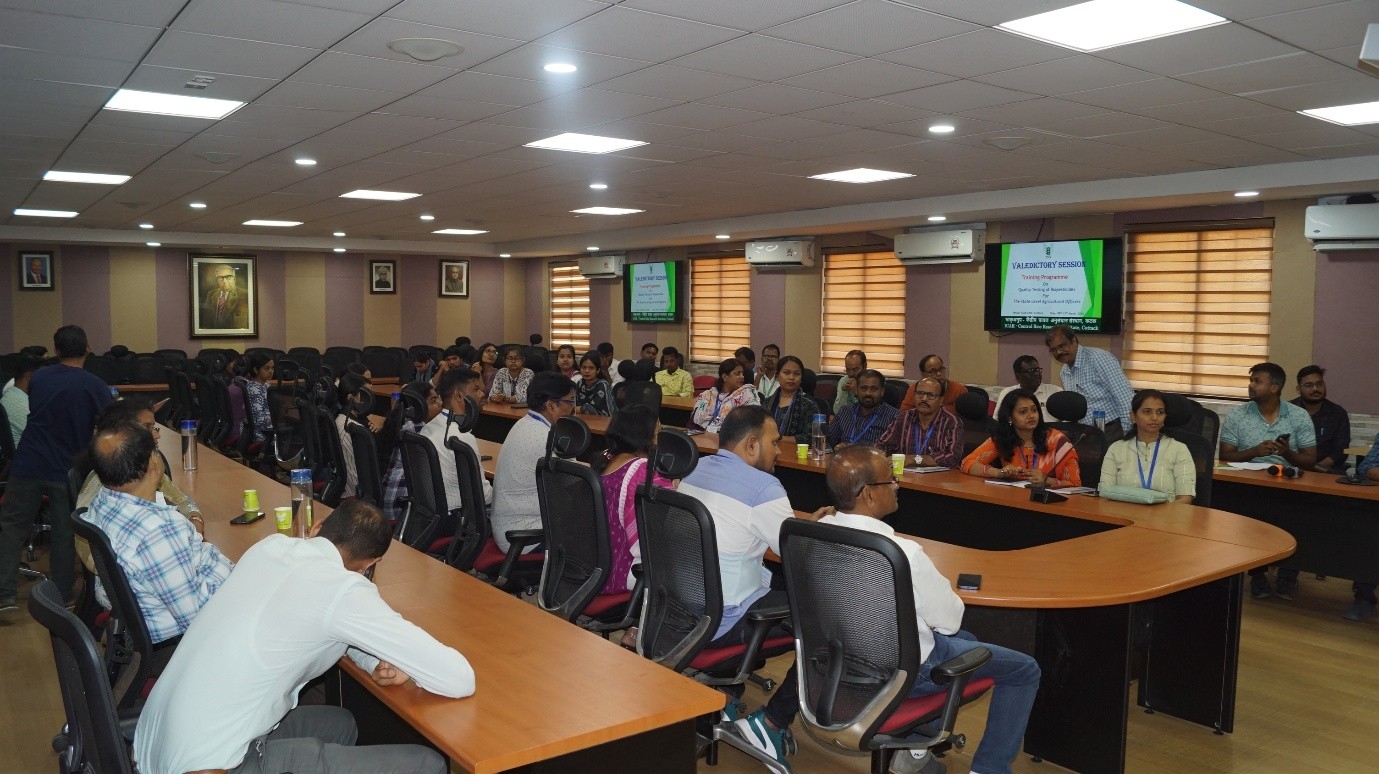
The programme concluded with a valedictory session held at the K. Ramiah Conference Hall on March 13. Dr. Keerthana U. delivered the welcome address, followed by a comprehensive report by Dr. S. D. Mohapatra. On the occasion, Dr. G. A. K. Kumar released the training manual titled “Guidelines and Practical Manual for Biopesticide Quality Testing” and distributed certificates to the participants. In his address, he underscored the importance of maintaining quality standards and the role of extension personnel in promoting effective biopesticide use.
The session concluded with a vote of thanks by Dr. Raghu S., marking the successful completion of the training programme.
 |
 |
 |
 |
 |
 |
 |
 |
