
Training programme on SUSTAINABLE SOIL HEALTH MANAGEMENT THROUGH INTEGRATED NUTRIENT MANAGEMENT, BALANCE FERTILIZER USE AND CROP RESIDUE MANAGEMENT PRACTICES 
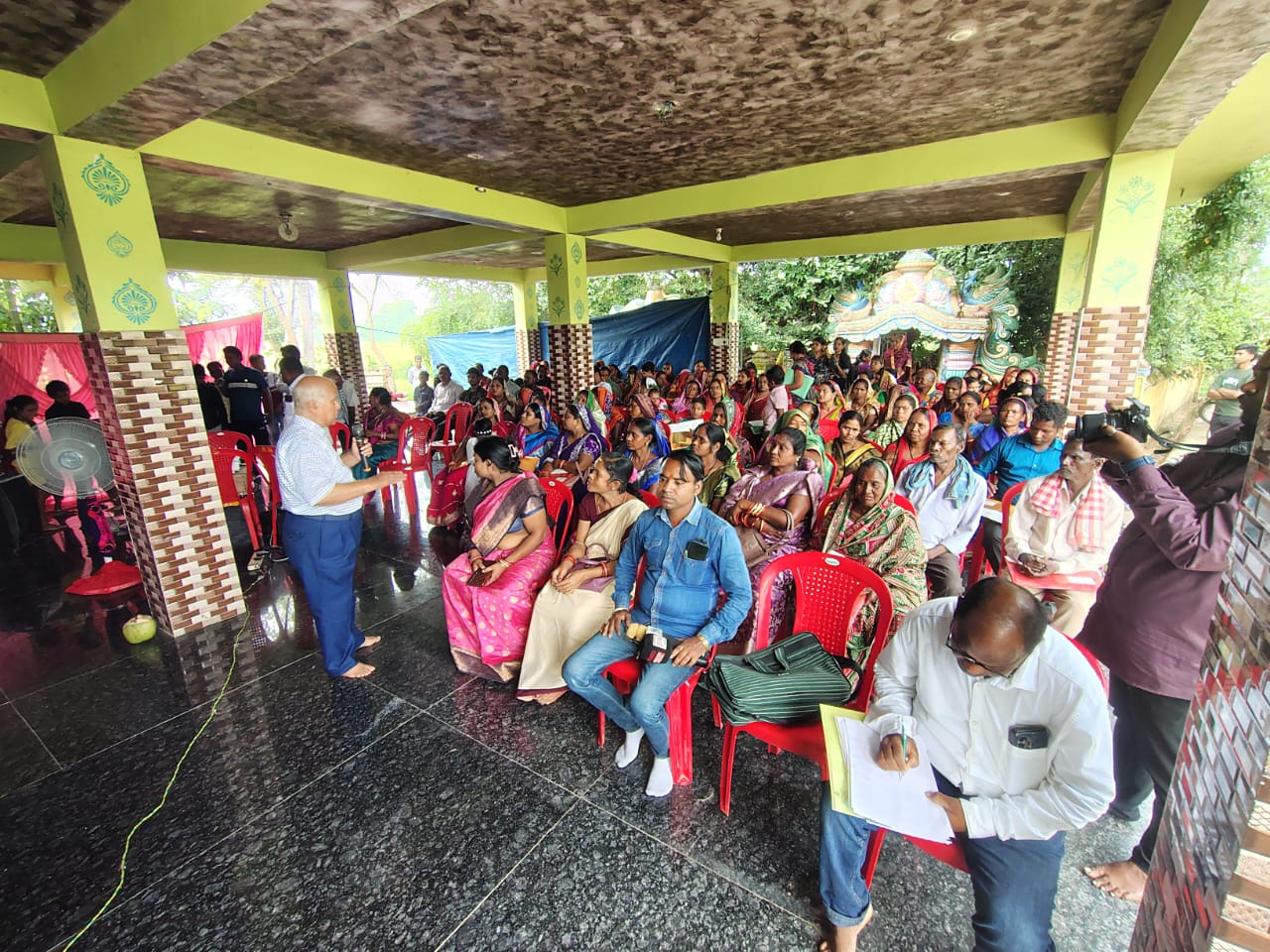
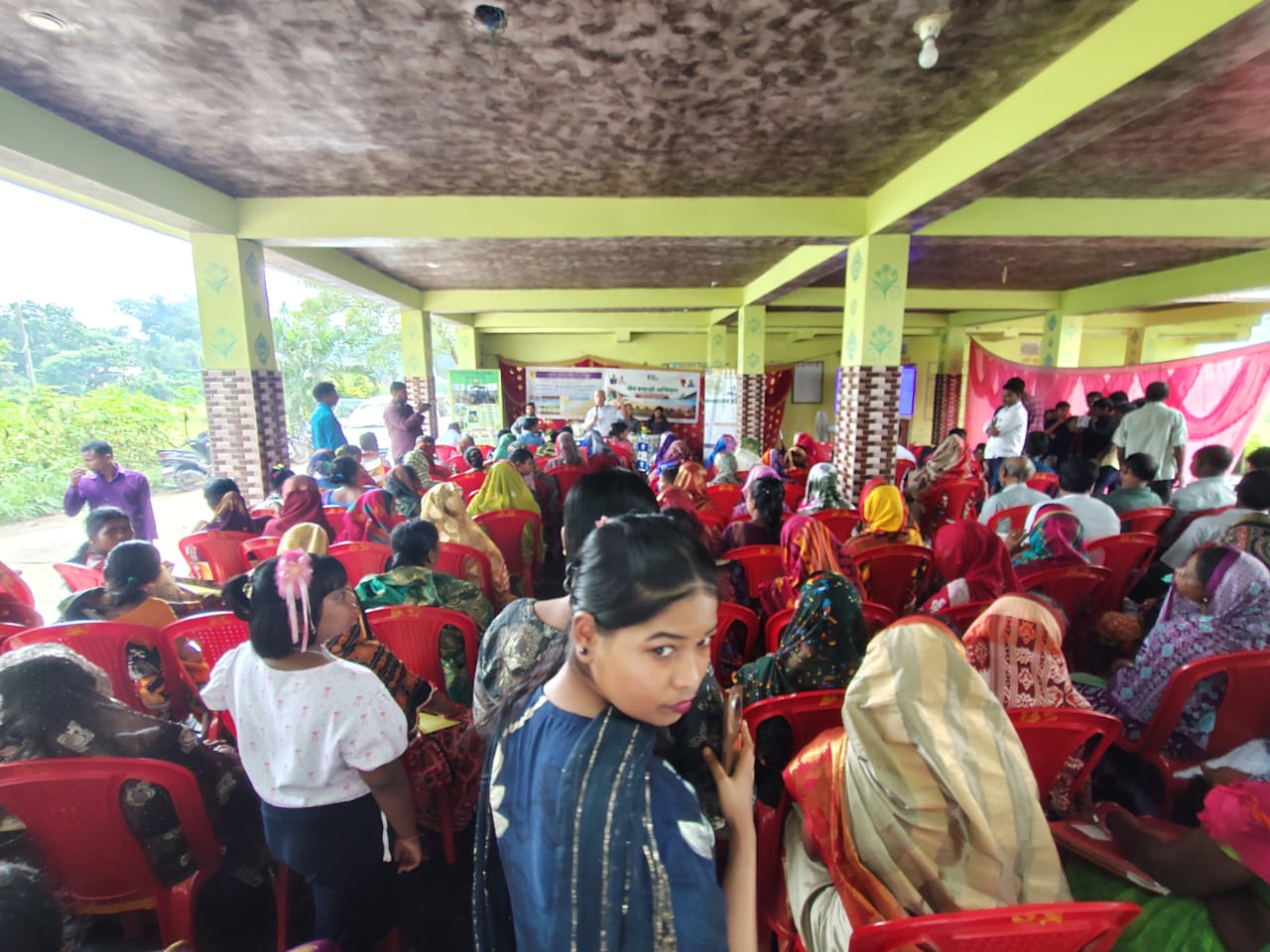
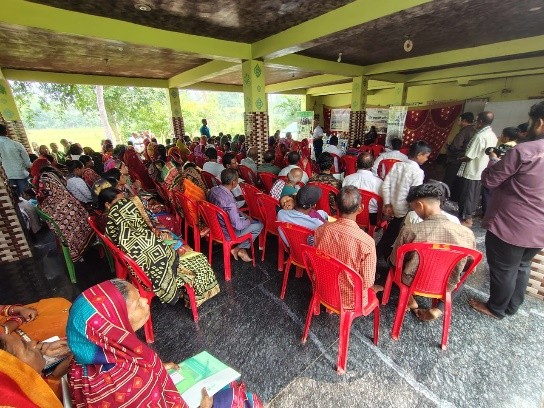
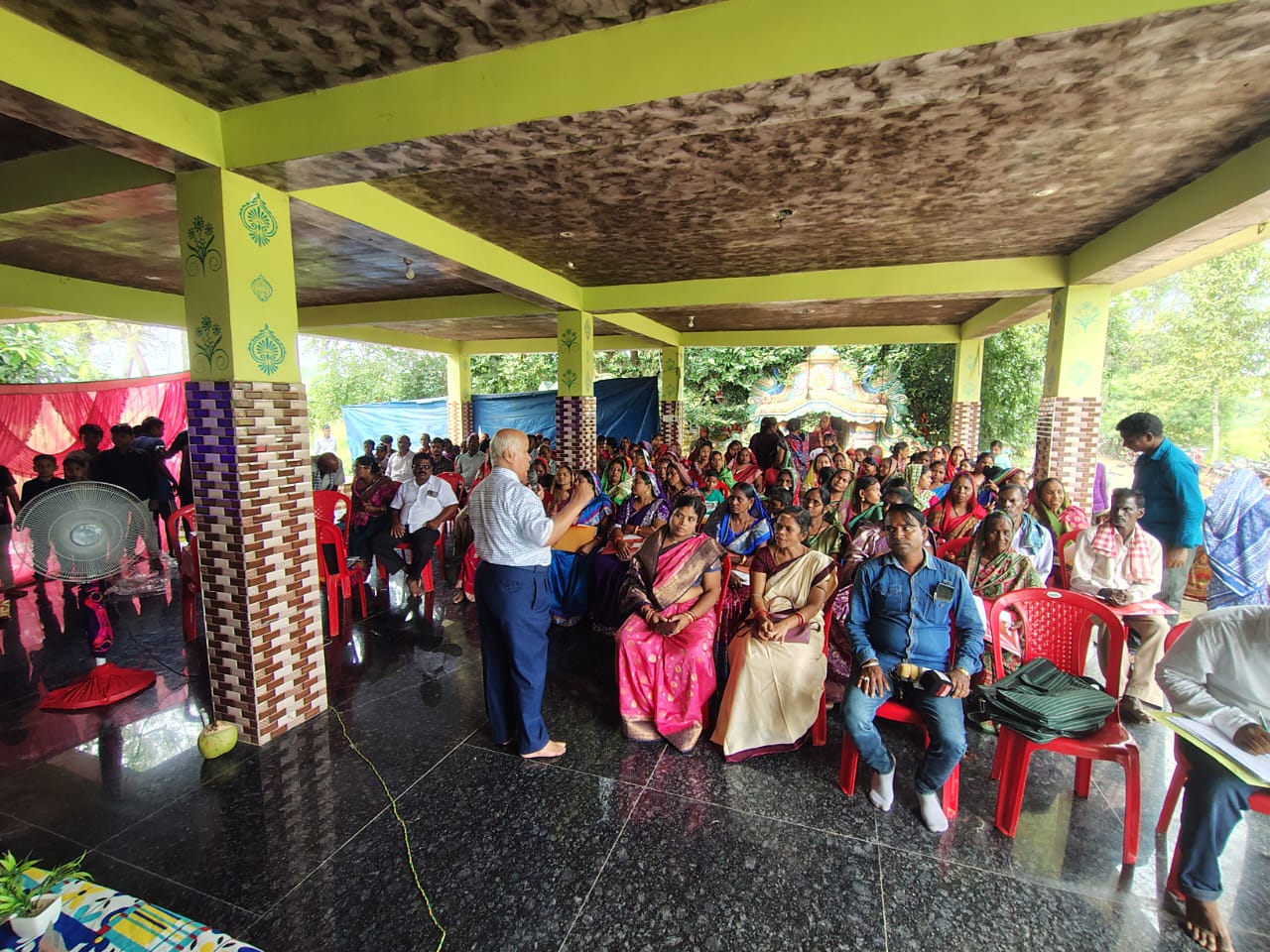
Training cum awareness programme was organized by the ICAR-Central Rice Research Institute (CRRI), Kataka under National campaign on Khet Bachaao Abhiyan (Rabi-2026) at Sadhei Sasan village in the Biridi block of Jagatsinghpur district on 6th November, 2026 under SCSP. Dr. Prakash Chandra Jena (Senior Scientist), Dr. Torit Baran Bagchi (Senior Scientist), Er. Bhupendra (Senior Technical Officer), Dr. Nimai Chandra Mallick (Retd. Senior Agronomist, HFL) and Priyanka Ray participated in the event and raised awareness among farmers regarding the ‘Save the Fields’ campaign, with a focus on protecting soil health. In this program, discussions were held on the sustainable management of soil health through integrated nutrient management, the use of balanced fertilizers, and crop residue management practices.
Discussions were held on topics such as the excessive use of fertilizers in paddy fields, the adoption of organic farming practices, and increasing crop production while ensuring the protection of soil, water, and the environment. In this program, discussions were held on safeguarding soil health through the application of balanced fertilizers for paddy and other crops. The awareness program covered topics such as the ‘Microbial consortia’ developed at our institute, ‘NRRI Tech Decomposer’, Liquid organic fertilizers, the use of Leaf Colour Charts (LCC), and methods to increase farmers’ income through natural farming practices.
The program was coordinated and managed by Monalisa Mallick, the coordinator of the Scheduled Caste Sub-Plan (SCSP), along with Kanakalata Mallick, Bairagi Mallick, Bibhuti Mallick, Rabi Das, Ashok Mallick, Debendra, Bimala, Sashmita, Manjumani, Runu and Pramila. Farmers both Female (114 nos.) and Male (46 nos.) were participated and took an active part in the discussion.
 |
 |
 |
 |
